
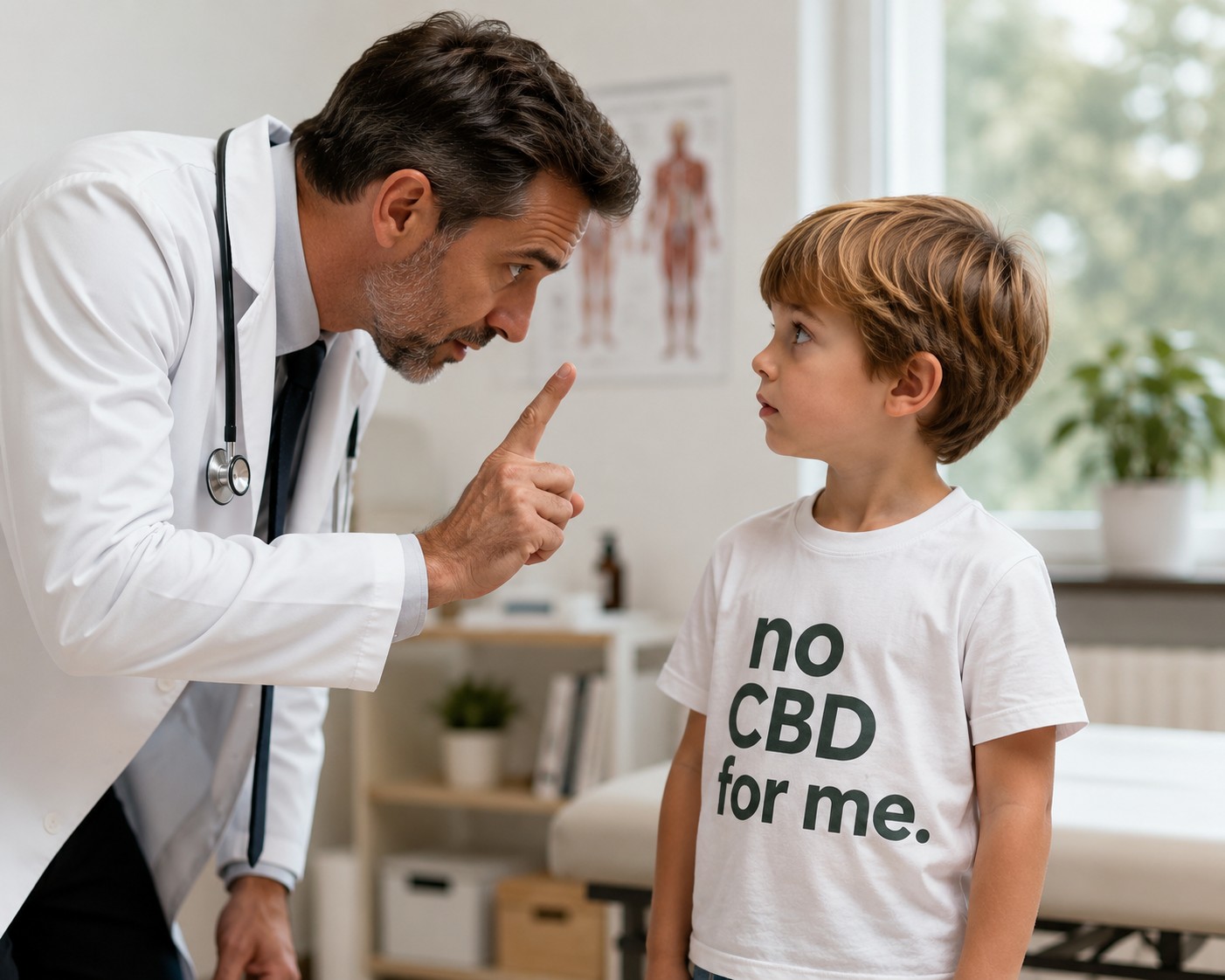
CBD is generally well tolerated by many healthy adults. But who should not take CBD without checking first — and who can use CBD straightforwardly — are questions worth answering clearly before you start. Most people who consider CBD responsibly — starting at appropriate doses, using quality-tested products, and paying attention to their own response — can do so without significant concern. But certain situations and health circumstances deserve more careful consideration before starting.
This isn’t a reason to be alarmed about CBD. It’s a reason to be informed.
Why This Question Matters
CBD has become widely available as a consumer wellness product in a market that moves faster than regulation. That combination — widespread availability, limited consumer guidance, and a range of individual circumstances — means that some people who could benefit from CBD begin without the specific context that applies to them. CBD contraindications aren’t really about identifying people CBD will harm. It’s about identifying people who need a conversation with a healthcare professional before they start.
The goal is confident, informed use — not avoidance based on generalised caution.
People Who Should Consult a Healthcare Professional First
Those taking regular prescription medication are probably the largest group who benefit most from a brief medical conversation before starting CBD. CBD is processed by the same liver enzyme system — cytochrome P450 — that metabolises a significant proportion of pharmaceutical drugs. When CBD shares this metabolic pathway with a medication, it can affect how quickly that medication is cleared from the body, potentially raising or lowering its effective blood concentration.
This is a real interaction mechanism, not theoretical caution. For medications with narrow therapeutic windows — where a small change in blood concentration has clinical significance — this matters in practice. Who should avoid CBD in this context is less about avoiding it entirely and more about not starting it independently. A pharmacist or prescribing doctor can review your medication list and identify whether any of your current drugs are processed through the relevant pathways. Our dedicated guides on CBD and medication interactions and CBD and blood thinners cover the specific mechanisms in detail.
Those with significant liver disease should discuss CBD with a healthcare professional before starting it. CBD is metabolised by the liver, and at high doses in clinical settings, elevated liver enzymes have been documented. For most healthy adults, this isn’t a concern at typical wellness doses — but for a liver already under stress from disease or damage, individual assessment is more appropriate than general reassurance. Our article on can CBD affect your liver traces the source data on this concern carefully.
People preparing for surgery are sometimes advised to pause all supplements in the weeks prior to a procedure, relating to potential interactions with anaesthetics and the principle of reducing pharmacological complexity. If you’re scheduled for surgery, mention CBD use to your surgical team alongside your other supplements and medications.
Pregnancy and Breastfeeding
Current guidance from major health authorities is clear: CBD is not recommended during pregnancy or breastfeeding. This isn’t because CBD is proven harmful — it’s because the safety data doesn’t exist. Pregnant individuals are routinely excluded from clinical research for ethical reasons, leaving no evidence base to establish a safe threshold.
Animal studies have raised concerns about potential effects on foetal development at higher doses, and the precautionary principle applies clearly here. This is one area where cannabidiol safety guidance is genuinely precautionary rather than permissive. The question of whether CBD is safe for everyone has a straightforward answer in this case: in the absence of safety data for pregnancy and breastfeeding, the responsible position is to avoid it.
Children
CBD is not established as appropriate for general wellness use in children. The significant exception — and it is significant — is a specific FDA-approved prescription medication for severe paediatric seizure disorders, used under close medical supervision at carefully titrated doses. This is a very different context from over-the-counter wellness use.
For children, the absence of meaningful safety data in healthy paediatric populations means any consideration of CBD should involve a paediatrician rather than general consumer guidance.
Older Adults Taking Multiple Medications
Older adults as a group can often use CBD appropriately. Those managing multiple medications face a more complex picture — the likelihood of a CYP450 interaction increases with the number of drugs involved. A pharmacist consultation before starting is precautionary, not prohibitive. Many older adults use CBD routinely without difficulty.
Situations Requiring Temporary Caution
Some circumstances don’t suggest avoiding CBD long-term but do suggest pausing or delaying its introduction.
If you’ve recently started a new prescription medication, allow it to establish a stable pattern before adding CBD. If you’re in a period of significant health change — a new diagnosis, a treatment programme — introducing any new supplement adds a variable that complicates the picture. These are practical, temporary considerations — not permanent contraindications.
Why Product Quality Is Part of CBD Safety
CBD precautions don’t end with identifying who should speak to a doctor first. Product quality is a safety consideration for everyone. An inaccurately labelled product — documented to be more common than it should be in an unregulated market — means the dose you’re managing is not the dose you’re actually taking. For someone monitoring their CBD intake carefully alongside a health condition, this matters considerably.
Third-party testing and a verifiable Certificate of Analysis are the practical baseline. Our guide on how to choose high-quality CBD oil covers what to look for.
A Common Misconception Worth Naming
Being natural and widely available doesn’t mean CBD carries no considerations. CBD risks at typical wellness doses for healthy adults are genuinely low — but low risk is not no consideration. Cannabidiol safety requires honesty about your own health context. For most people, that context is uncomplicated. For some, it includes a brief professional conversation first.
A Balanced Conclusion
Who should not take CBD? Fewer people than the warnings sometimes suggest. Is CBD safe for everyone? Mostly yes, for healthy adults at appropriate doses from quality products. But the groups outlined in this article — people on regular prescription medication, those with liver conditions, pregnant or breastfeeding individuals, children, those preparing for surgery, and older adults on multiple medications — benefit from an extra step before starting.
That step is usually short: a conversation with a pharmacist, a quick medication list review, or mentioning CBD at your next appointment. It rarely results in CBD being ruled out. It simply means starting with better information.
For further context, our CBD side effects guide covers what most people actually notice, and our what is CBD oil article is a helpful foundation for anyone who shouldn’t take CBD without first understanding the basics.
Frequently Asked Questions
Who should not take CBD?
CBD is generally well tolerated by healthy adults, but people taking regular prescription medication, those with significant liver disease, pregnant or breastfeeding individuals, and children should consult a healthcare professional before starting. These groups deserve personalised guidance rather than general reassurance. Who should not take CBD without checking first is a shorter list than CBD warnings sometimes imply.
Is CBD safe for everyone?
For most healthy adults at typical wellness doses, current evidence supports reasonable CBD safety. But CBD isn’t appropriate for everyone without consideration — specific circumstances, particularly prescription medication use and pregnancy, warrant professional guidance first.
Can pregnant women use CBD?
Current guidance advises against CBD during pregnancy and breastfeeding due to insufficient safety data rather than proven harm. Precaution is the appropriate position given the absence of research in this population.
Can children take CBD?
Not for general wellness purposes, based on current evidence. The exception is a specific FDA-approved prescription medication for severe seizure disorders, used under close medical supervision. General consumer CBD is not established for paediatric use.
Should older adults avoid CBD?
Not necessarily. Many older adults use CBD appropriately. Those taking multiple medications benefit from a pharmacist consultation first, given the increased likelihood of relevant drug interactions. Individual assessment matters more than a general age-based rule.
Should people with liver disease avoid CBD?
They should discuss CBD with a healthcare professional before starting. Liver disease changes how CBD is processed, and individual assessment is more appropriate than general guidance. Our can CBD affect your liver article covers the underlying evidence in detail.
Should I talk to my doctor before taking CBD?
If you take regular prescription medication, have a pre-existing health condition, are pregnant or breastfeeding, or are an older adult managing multiple health concerns, yes. For otherwise healthy adults, it’s a reasonable step but not typically urgent.
Is CBD safe with prescription medications?
Potentially, but not without checking first. CBD shares liver metabolic pathways with many prescription drugs. A pharmacist can quickly assess whether your specific medications are likely to interact with CBD. Our CBD and medication interactions guide explains the mechanism.
Written by Carmen Dos Anjos Germano, Founder of Pure CBD4U
Carmen founded Pure CBD4U after her own search for reliable, high-quality CBD oil, starting with full spectrum CBD oil 5% as part of her personal wellness routine. That experience shaped the company’s focus on transparency, quality and independent testing. Pure CBD4U works with EU-grown hemp, uses third-party laboratory testing, and makes batch results accessible through QR codes on its products. Carmen remains closely involved in product selection, quality standards and the development of the Pure CBD4U range.

Leave a Reply